We monitor the patient during follow-up visits to evaluate progress, track energy levels, and observe how their body responds to treatment over time
Development History After the discovery of GHK-CU in the 1980s, researchers quickly identified limitations: the peptide was fragile, broke down when exposed to other skincare ingredients, and had limited penetration depth
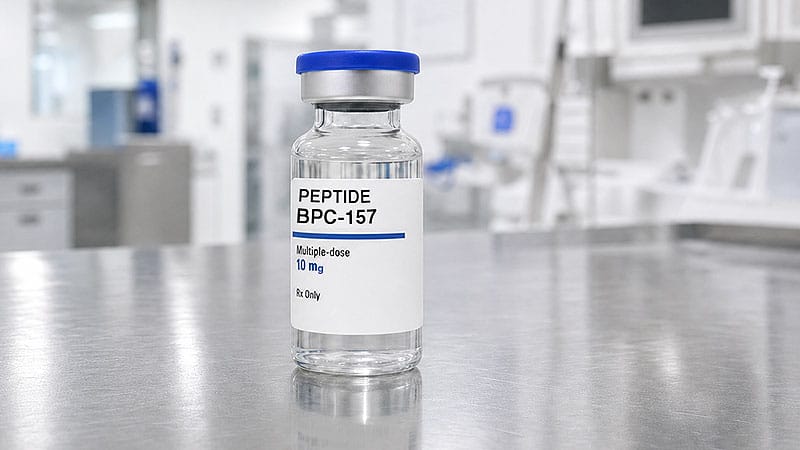
It has been investigated primarily in laboratory and animal models involving gastrointestinal biology, angiogenesis, connective tissue biology, vascular biology, and cellular signaling pathways at the cellular level
Studies have found that this peptide encourages greater gut health, tissue regeneration, and inflammatory control, as well as supporting a myriad of other body systems